Watching an Indian wedding come together all the way in the USA is super exciting, right? The morning may begin with a quiet puja while family members move around preparing for the day, and a few hours later the venue can be completely transformed, the dhol is playing, the baraat is arriving and relatives who have travelled across states are greeting one another as though they were never apart. Somewhere in between those beautiful moments, however, there are dozens of details that have to happen at exactly the right time. That is where an experienced wedding planner for Indian wedding celebrations can make a remarkable difference.
Planning an Indian wedding in the USA often means bringing together cultural traditions, multiple ceremonies, American venues, different vendors and family expectations. The celebration may stretch across several days, with each event having its own mood, rituals, décor and logistical requirements. When all of those pieces are thoughtfully coordinated, the couple and their families can actually be present for the moments they have spent months preparing to experience.
Why Indian Weddings Need More Than Traditional Wedding Planning
An Indian wedding is rarely just one event. Depending on the couple and their families, the celebration may include an engagement, mehndi, haldi, sangeet, baraat, wedding ceremony and reception, with additional pujas or family traditions incorporated along the way.
Each event has its own rhythm. The sangeet may require performance rehearsals and detailed music coordination, while the mehndi needs a completely different guest-flow plan. The wedding ceremony itself can involve a priest, sacred fire, mandap, family participation and several rituals that need to happen in a particular sequence. A professional Indian wedding planner understands that these details cannot simply be added to a standard wedding checklist. They need to be planned around the cultural meaning of each ceremony while also considering the practical realities of hosting a large celebration in the USA.
Making Traditional Rituals Work in an American Venue
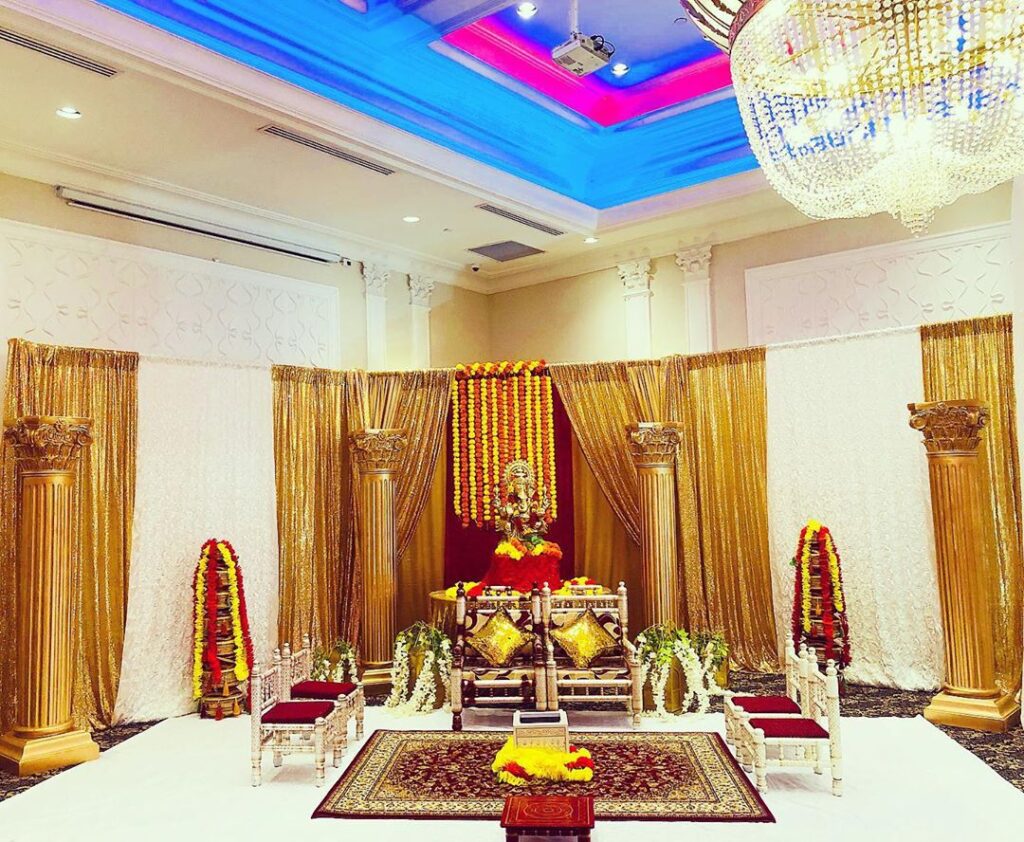
One of the most important responsibilities of a planner is connecting tradition with the realities of the venue. A hotel ballroom, country club, estate or outdoor venue may not have been designed specifically for an Indian wedding, so the planning team has to think through how each ritual will work within the space.
Take the mandap, for example. It is not simply a decorative structure placed at the front of the room. It becomes the focal point of the Hindu wedding ceremony and needs to accommodate the couple, priest, immediate family and the rituals taking place around it. The placement of the sacred fire, seating arrangements, entrances and guest visibility all need to be considered before the ceremony begins. A knowledgeable hindu wedding planner can work with the venue and vendors to ensure that these requirements are understood well in advance. This becomes particularly valuable when venue staff are unfamiliar with the customs involved in an Indian wedding.
Coordinating the Many People Behind the Celebration
When couples remember their wedding years later, they usually remember the emotional moments rather than who moved the chairs or confirmed the caterer’s arrival time. Yet those behind-the-scenes details are what allow the celebration to feel effortless. A full-service planner can coordinate caterers, decorators, photographers, videographers, DJs, musicians, priests, makeup artists, transportation providers and venue teams. ChaSa Events describes its approach as a turnkey service that manages details from planning through execution, including vendor coordination, logistics and on-site management.
This becomes especially useful when several ceremonies take place over multiple days. The planner can maintain one master timeline while creating individual schedules for each event, ensuring that vendors know where they need to be and when. For families hosting a large Indian wedding, this coordination also means fewer relatives have to become unofficial event managers. Parents, siblings and close friends can participate in the celebrations instead of constantly checking whether the décor has arrived or whether the next ceremony is ready to begin.
Managing the Baraat Without Losing the Celebration
The baraat is one of the most energetic moments of many Indian weddings. Music, dancing, family members and friends come together as the groom makes his way toward the ceremony, often accompanied by a dhol player and sometimes a horse, vintage car or other grand entrance. What guests experience as spontaneous celebration requires considerable preparation behind the scenes. The route needs to be confirmed, music and entertainment need to be coordinated, the venue needs to understand what is happening and someone needs to keep the entire procession moving according to the wedding timeline.
A professional wedding planner Indian couples can rely on will handle those logistical details while allowing the family to enjoy the procession. The same principle applies to the bride’s entrance, milni, family photographs and the transition into the ceremony.
Respecting the Meaning Behind Hindu Wedding Rituals
For many families, the most important part of the wedding is not the reception but the ceremony itself. Hindu weddings contain rituals with deep cultural and spiritual meaning, and couples often want their guests to understand what they are witnessing. The saptapadi, for example, involves the couple taking seven steps associated with marriage vows, traditionally performed around the sacred fire beneath the mandap. Other rituals may include prayers, garland exchange, family blessings and the involvement of parents or close relatives.
A thoughtful hindu wedding planner does not treat these moments as items to be hurried through simply because the reception has a fixed start time. Instead, the planner works with the couple, priest and venue to build a realistic timeline around the ceremony. This is particularly important for multicultural or interfaith weddings. Couples may want to preserve important Indian traditions while also incorporating elements meaningful to another cultural or religious background. Careful planning allows those elements to coexist naturally rather than making either side feel like an afterthought.
Creating a Wedding Weekend That Feels Connected
Indian weddings in the USA often involve guests travelling considerable distances, which makes the overall guest experience particularly important. A wedding planner can help couples think beyond individual ceremonies and create a cohesive wedding weekend. That could mean coordinating transportation between hotels and venues, providing guests with schedules, arranging welcome events or ensuring that family members know where they need to be throughout the celebrations. It can also mean thinking carefully about transitions between events so that guests are not left wondering what happens next.
This attention to continuity is one of the reasons couples often choose a full-service planning approach. Instead of treating the mehndi, sangeet, ceremony and reception as unrelated events, the planning team can look at the entire celebration as one connected story.
Designing the Celebration Around the Couple
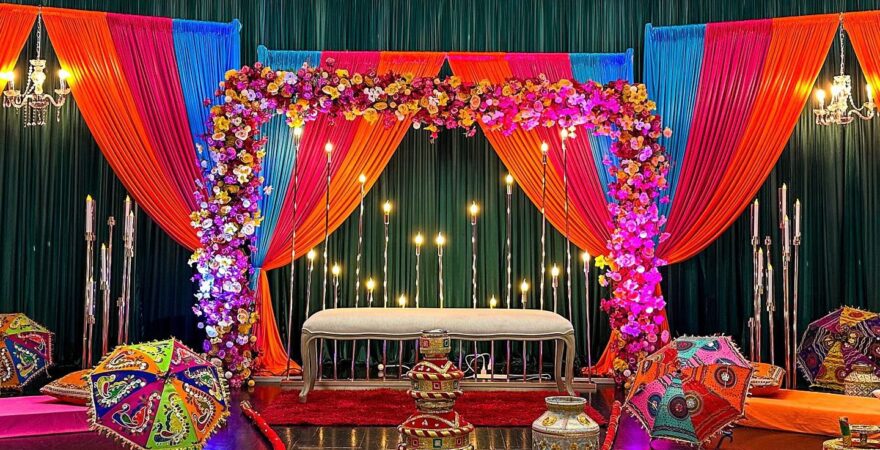
Indian weddings are rich in tradition, but that does not mean every wedding needs to look or feel the same. Some couples want a grand, traditional celebration filled with colour and elaborate floral installations. Others prefer contemporary décor, understated details or a blend of Indian and Western influences. The role of a planner is not to impose a particular version of an Indian wedding. It is to understand what the couple values and build the celebration around those priorities.
ChaSa Events approaches event planning through consultation, concept planning, vendor selection and execution, with an emphasis on creating an event that aligns with the client’s requirements and budget. This kind of structured process can be especially helpful when couples have a long list of ideas but need someone to turn those ideas into a practical wedding plan.
Why Full-Service Planning Can Make the Experience Easier
There is a major difference between having someone coordinate the final few hours of a wedding and having a professional involved from the beginning. Full-service planning allows the planner to understand the entire celebration, identify potential problems early and build relationships with the vendors involved. For a couple planning an Indian wedding in the USA, that continuity can be invaluable. Instead of repeatedly explaining cultural requirements to different vendors, the planning team can communicate those expectations and make sure they are reflected in the overall production.
Most importantly, it gives the couple permission to enjoy their own wedding. They should be dancing at the sangeet, laughing with cousins at the mehndi, watching the baraat arrive and listening to the wedding vows, rather than answering vendor calls throughout the day.
Frequently Asked Questions
1. Why should I hire a wedding planner for an Indian wedding in the USA?
A wedding planner for Indian wedding celebrations can coordinate multiple ceremonies, cultural rituals, vendors, timelines and venue requirements. This is particularly useful when the wedding takes place over several days or involves guests and vendors travelling from different locations.
2. What does an Indian wedding planner typically handle?
An Indian wedding planner can assist with venue coordination, décor, catering, entertainment, transportation, vendor management, timelines and on-site execution. The exact services depend on the planner and the package selected.
3. What does a Hindu wedding planner do differently?
A hindu wedding planner should understand the practical requirements surrounding traditional Hindu ceremonies, including the mandap, sacred fire, priest coordination, family participation and ceremony timing. Their role is to make sure these elements work smoothly within the chosen venue.
4. Can a wedding planner help with multicultural Indian weddings?
Yes. A knowledgeable wedding planner Indian couples choose can help incorporate Indian traditions alongside another cultural or religious ceremony. The planning process can be tailored around the couple’s priorities so that the wedding feels personal rather than divided into separate experiences.
5. How early should I hire an Indian wedding planner?
Ideally, couples should begin speaking with planners as soon as they know their approximate wedding date and location. Indian weddings often involve multiple events and a larger vendor team, so early planning provides more time to secure suitable venues, vendors and entertainment while developing a cohesive plan for the entire celebration.